

Closing the Cyber Readiness Gap in the Age of AI
Attackers are using AI to move faster and with greater precision. Many organizations are still preparing for a different threat landscape. This ebook explains why that gap exists and how leaders can close it.
The Readiness Challenges This Ebook Addresses
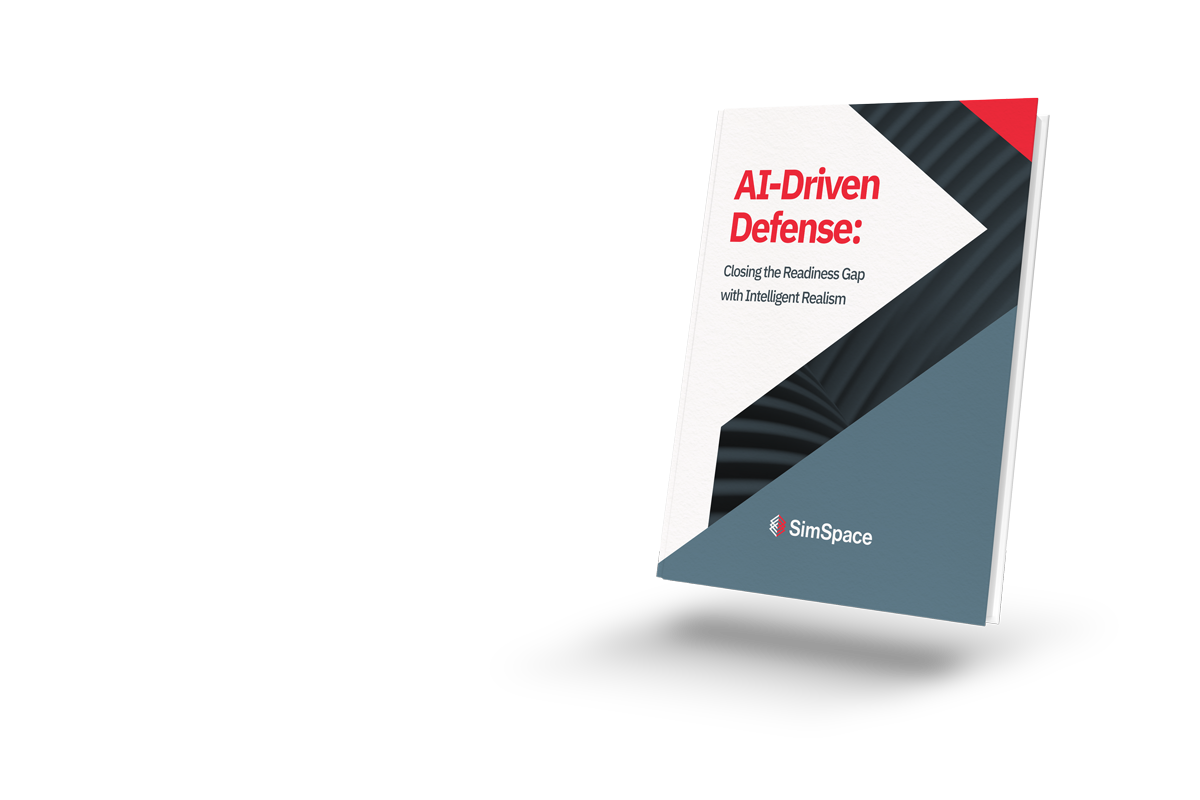
The ebook focuses on the practical challenges security leaders are facing as AI reshapes the threat landscape. It examines where current preparation models break down and what needs to change to assess readiness with greater confidence.
AI-Driven Attacks Are Changing the Rules
AI has altered how attacks are planned, executed, and adapted in real time. This section explains how increased speed, automation, and precision are compressing response windows and exposing weaknesses in preparation models built for slower, more predictable threats.
Why Traditional Training and Testing Fall Short
Most organizations still train people, test tools, and validate processes separately. This section outlines why that separation creates blind spots, limits confidence, and makes it difficult to know how defenses will perform under real operational pressure.
Why Realism Is the Foundation of Readiness
Readiness can’t be measured in abstract environments. This section breaks down why realistic conditions matter, including production-like infrastructure, real user behavior, and adversary tactics that reflect how modern attacks actually unfold.
Closing the Train / Test Gap
This section brings it together, showing how unifying training and testing creates measurable insight into how teams, tools, processes, and AI-driven capabilities perform together. The focus is on proving readiness continuously, not assuming it.
Testing That Reflects Reality

Real attackers do not operate in clean lab environments, and readiness cannot be validated there either. This ebook makes the case for testing security capabilities under conditions that mirror real operations, including production-like infrastructure, realistic user activity, and adversary behavior that evolves under pressure. The goal is not theoretical confidence, but clear insight into what holds up, what degrades, and where gaps emerge before they are exposed in the real world.